Home Economics: How the homebody-lifestyle is driving interior design
December 2025
Home is where the heart is and in 2025 it’s where a lot of other things were too, from the gym to the office and classroom. Research published late last year by the Journal of the American Planning Association found that compared to pre-pandemic numbers, Americans are spending close to an hour less – 51 minutes, to be exact – out-and-about each day in favor of staying home.
Whether that’s because of a shift in how people use their homes (and how much easier it is to run errands right from the couch) or because of a persistent hike in prices denting the appeal of going out, the homebody lifestyle is a likely factor in the steady growth of the global interior design market, which is projected to grow to more than $200 billion in the next eight years. Even as high interest rates and high housing prices hold firm, pricing out many would-be buyers, the last census counted 31,000 residents who’d moved to northern Michigan from other parts of the country, a trend that’s driving demand for interior design firms like Traverse City’s Paige Lee Interiors.
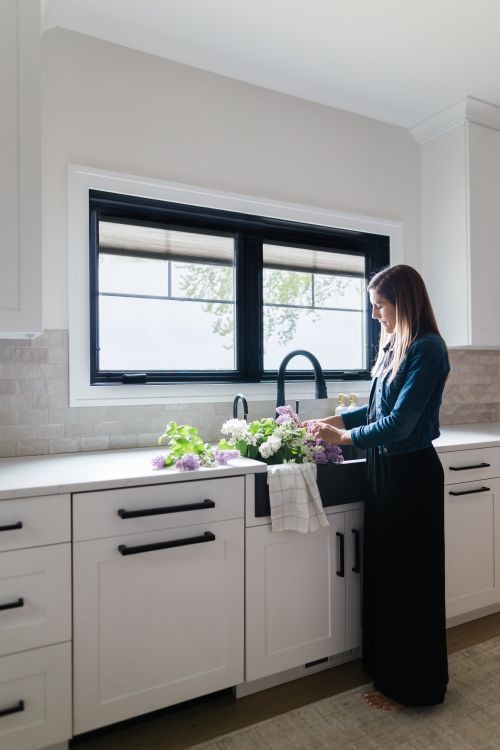 Maurer
Owner Paige Maurer says she’s ending the year working on two nearly 5,000 square-foot new builds and several smaller renovations, noting that many of her projects are second homes for out of towners who plan to make their Up North investment their main home.
“Right now it might only be that they’re able to come for short periods of time, but the goal is that they’d be here full-time eventually as they approach retirement age,” explained Maurer, who added that the biggest requests she’s fielding from second-home owners is for her to help them achieve “that Up North cottage feel.”
With the new year right around the corner, here’s what Maurer and two other Traverse City designers say will be in for 2026 interiors, who’s investing in them and which styles are on their way out.
Color is cool again
Sad Beige Mom aesthetic be damned, homeowners are growing tired of the shades of grey made popular by lifestyle influencers through the pandemic. Instead, clients want to see “warm tones, color,” said Kirsten Pappas of Wink Interior Design and Cabinetry.
Pappas, whose Eighth Street showroom sits near Raduno in the North Boardman Lake District, says the gauge for what’s chic in furniture upholstery is set by what’s popular in fashion. Right now, patterns and brighter hues reign over the solid creams, black and beiges that dominated the last few years.
“It's just kind of interesting to watch that and how that relates to the design industry,” said Pappas, adding that plaids are “pretty hot right now,” while houndstooth is making a comeback in both blazers and sofas. Clean lines and minimal clutter are still top-of-mind for her clients, but she finds that a cozier, more lived-in look is winning over homeowners.
“People are staying home more and cooking more and trying to gather around the table,” she said. “Especially up here. Our summers are all about family and connecting and just getting together for meals and barbecues.”
Relocation, homebody-lifestyles redefining design aesthetics
With more of her clients planning their designs around a stay-at-home lifestyle, Pappas says they’re funneling most of their budgets (sometimes five to six figures) into the spaces where they’ll spend the most time, especially the kitchen, where color is also experiencing a revival. The all-white, icy-quartz, floor-to-ceiling look is becoming a bit passé, while appliances like Viking’s luxe $24,000 dual fuel ranges and Smeg’s mid-priced packages in shades of buttery yellow, muted aquas and rich navy are making their way in.
“Everything is just getting more custom,” Pappas said.
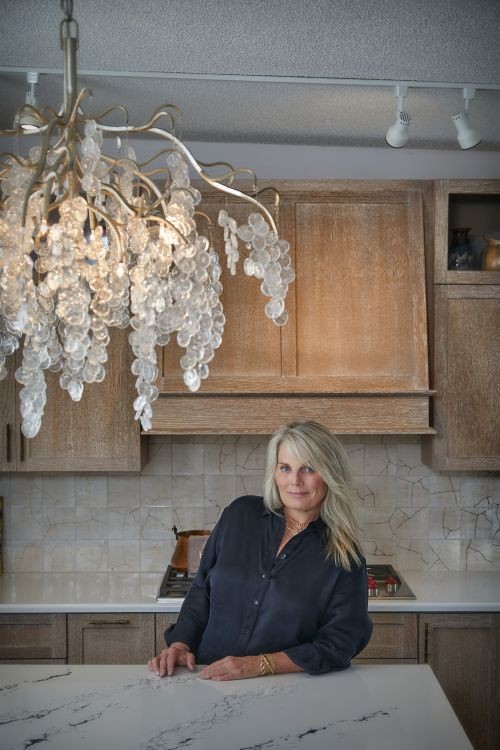 Pappas
Serene Lake Michigan-inspired colorways are also big for 2026 with more homeowners drawing elements from the shoreline into their interiors, Paige Lee Interior’s Maurer notes.
“That's definitely something that I see kind of across the board, no matter what their design style is, they really do try to embrace that natural feel,” she said. “There's a really modern project in my portfolio where we’ve done some cool tile mosaic backsplash in blues meant to look like a modern form of a wave.”
Pappas and Maurer both say a large demographic of their clients are transplants from metros across the country – Chicago, D.C., Texas, Florida, and the West Coast. And those clients are bringing design aesthetics from their hometowns with them while pushing back on some that have become commonplace here, like modern farmhouse.
Tariffs Are Causing Some Creativity
Dana Lacuesta, owner of Dana Grace Interiors, is one of northern Michigan’s newcomers both as a resident and designer, following her move from Tennessee to Traverse City in 2019. Lacuesta and her small team start their search for staple pieces with northern Michigan makers but even in trying to keep most of her suppliers here at home, she’s running into tariff troubles.
“Some things may be made locally, but they may be made with components that are made somewhere else, and that can kind of put a little bit of a hitch in the get-up, as we say in Tennessee,” she said.
It’s adding to the planning conversations she has with clients as they work together to weigh the pros and cons of sourcing from lines that are entirely produced in the U.S.
“They're more expensive, and anything made domestically is generally more expensive and can also take a lot of time,” said Lacuesta. “But when we educate our clients about the materials used and let them know that we're going to be avoiding some tariffs, that kind of makes it worthwhile in the end.”
Tariffs have also tacked onto lead times, with custom cabinetry jumping from nine to 12 weeks to nearly 16 weeks and furniture taking almost as long. Most clients, especially those waiting to get into a new build, haven’t been too fazed by the wait, says Maurer, but it’s costing flippers hoping to land a quick closing.
Buyers and homeowners are focused on longevity
 Lacuesta
While a good portion of the interior design market is second homes and new buyers, locals who might have mulled a move a few years ago are also investing in renovations and redesigns in their existing spaces rather than jumping into a competitive market. As they do, they’re thinking more about how to make their home look and feel like a place they’ll be happy staying indefinitely.
“They’re asking for materials that are actually going to show a little bit of wear and age,” Lacuesta explained.
That’s meant going for natural stone countertops over quartz, hardwoods and handmade tile instead of laminate, and textiles like linen, wool, cotton, and even sheepskin leather in place of synthetic fabrics.
“We're getting away from things having to look new and pristine forever and our clients are actually embracing this idea of materials that kind of tell the story of their family,” she explained. “I think that the shift in idea around material directly correlates with that same idea of, ‘Well, we're going to be here for a while.’”