The Nonprofit Holiday Wish List: Seven local nonprofits share their needs
December 2025
Year after year, nonprofit organizations lean on the the spirit of holiday giving, courting mission-sustaining philanthropic donations.
Amid funding cuts, inflation and a lingering hangover from the longest federal shutdown in American history, organizations are turning to every possible lifeline – from micro-donations to major gifts – to stay afloat.
In light of this challenging time, we asked seven local nonprofits to think about their needs in small (less than $100), bigger (less than $500) and biggest (sky’s the limit) categories, with the caveat that they can’t just wish for cash.
Food Rescue
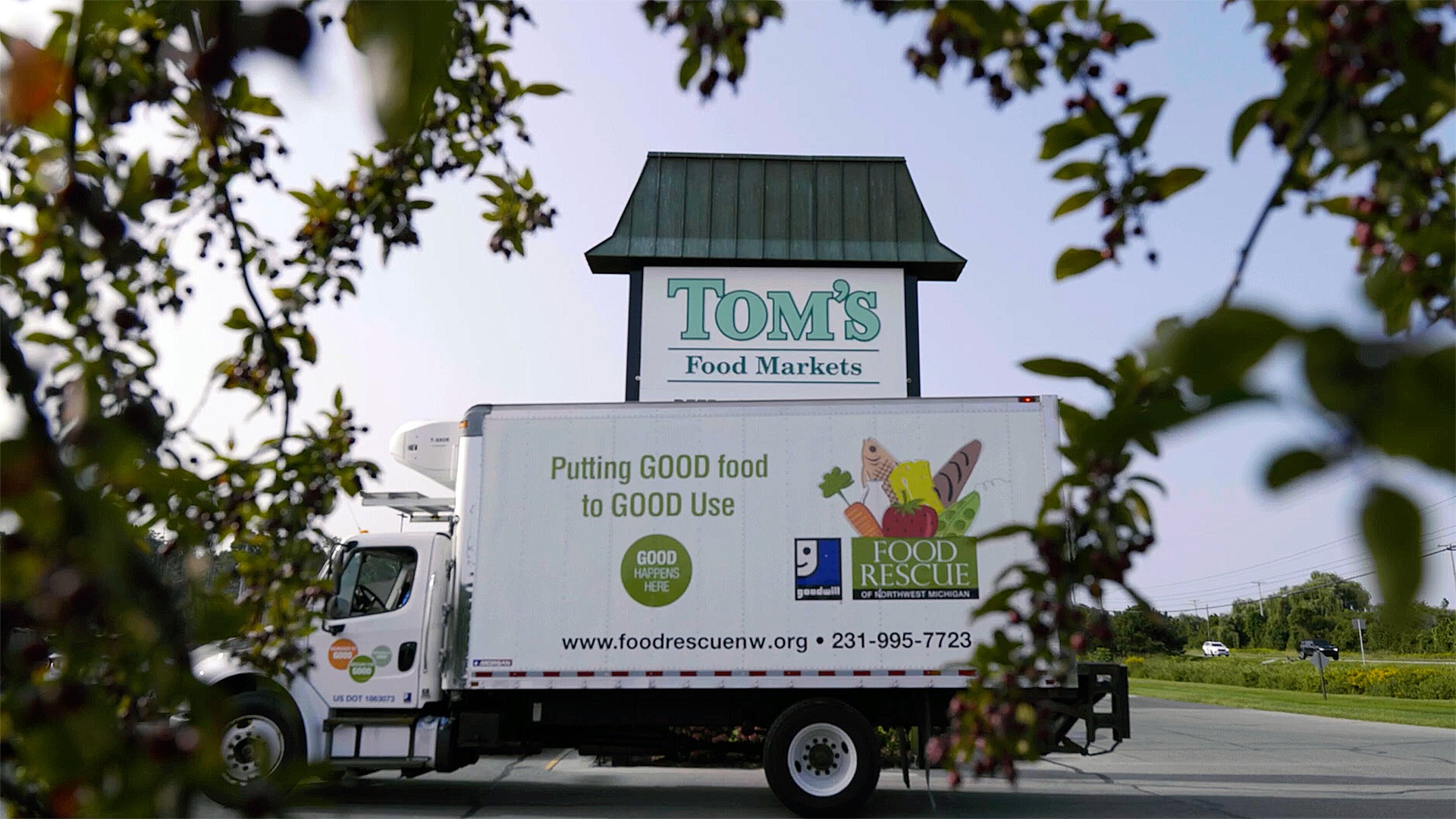
A program of Goodwill Northern Michigan, Food Rescue works to rescue food that would otherwise go to waste, diverting it to food pantries and community meal sites throughout the five-county Grand Traverse region. According to its website, Food Rescue distributes 2.2 million pounds of food – worth $3.7 million – each year.
Less than $100: Compostable bags, food-safe gloves and Food Rescue hats for volunteer repackers. “These simple supplies keep thousands of pounds of rescued produce moving safely and efficiently to food pantries and community meal programs,” said Deb Lake, chief philanthropy officer for Goodwill Northern Michigan.
Less than $500: “High-visibility winter coats to keep our Food Rescue drivers safe and warm,” Lake said. “Our drivers are out in every kind of weather, picking up and delivering food daily across a rural region twice the size of Rhode Island. Better cold-weather gear keeps the team protected and helps us move food quickly to where it’s needed most.”
Sky’s the limit: New sprinter vans and box trucks to improve the safety, reliability, fuel economy and temperature control of Food Rescue’s fleet. According to Food Rescue Director Taylor Moore, fleet improvements would increase Food Rescue’s ability to deliver perishable foods like fresh produce, dairy and protein. "Every extra pound of food we can move right now matters, and these tools help us keep families fed when they need it most,” Moore said.
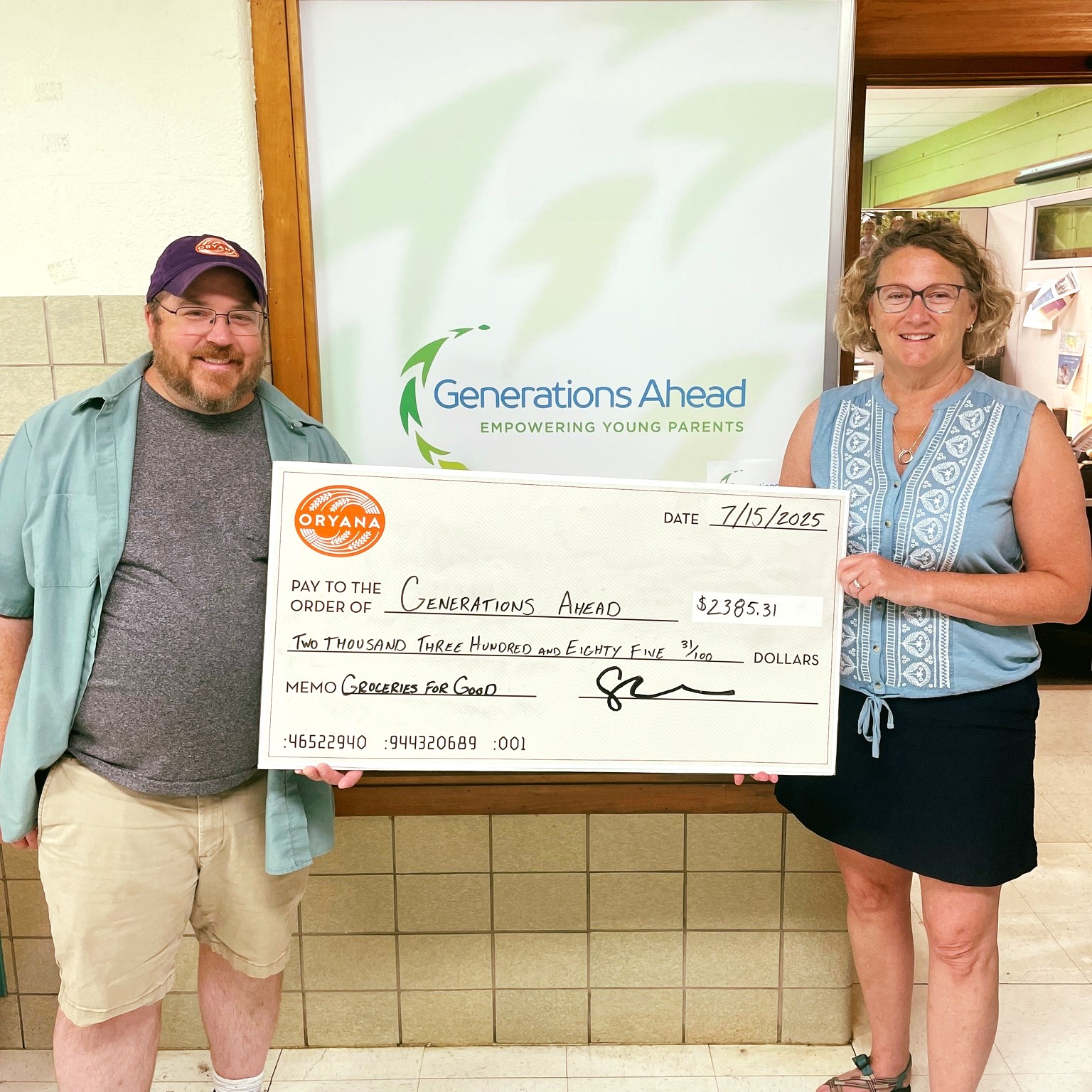
Generations Ahead
Founded in 2019, Generations Ahead works to “help young parents overcome the obstacles of teen pregnancy by helping them complete their high school education, fostering independence and building trusting relationships so they may lead fulfilling lives with a stable family environment.” Support services include social work, mentoring, family activities, parent education, career internships and a baby pantry.
Under $100: Baby wipes; diapers (Sizes 4–7); pull-ups (sizes 2/3T, 3/4T, 4/5T and 5/6T); multiple Baby Trend Lil Snooze Deluxe II Nursery Center pack-n-play cribs; gift cards for groceries and essentials at stores like Walmart, Target, Meijer, Aldi and AutoZone.
Under $500: According to Operations and Communications Manager Lauren Brandstatter, transportation is sneakily one of the biggest challenges young families face. “Reliable transportation means they can get their children to daycare, make it to work and continue their education, thereby building the foundation for a more secure and successful future,” she said. Locals could help by covering the cost of driver’s training for a teen parent or two, or by donating an Omni Plus Modular Travel System from Evenflo – a stroller that can double as a rear-facing infant car seat.
Sky’s the limit: Brandstetter said Generations Ahead is always looking for people to donate things like new tires or car repairs – essential and often unexpected needs that can add up quickly in terms of expense.

Grand Traverse Industries
Grand Traverse Industries (GTI) offers “vocational training, employment, and habilitation services” to people with disabilities in seven counties. This year, budget cuts at the Northern Lakes Community Mental Health Authority – which contracts with GTI – has threatened the nonprofit’s programming.
Less than $100: Cover transportation for one week for a GTI participant to get to work or volunteer sites; provide canvases, brushes and adaptive tools for GTI’s Art Able Connections program; fund a "Team Member of the Quarter" recognition prize and certificate.
Less than $500: Fund a full-day community volunteer project for GTI participants.
Sky’s the limit: “We envision a fully accessible community garden and greenhouse at our Mancelona location — a space where individuals of all abilities can grow, learn, and connect,” said GTI Executive Director Cindy Evans. “With support to fund the design, greenhouse, irrigation, and adaptive features, this project would not only transform our program but also benefit the greater community by providing shared space for learning, collaboration, and access to fresh, locally grown produce. It’s a vision that grows inclusion and community from the ground up.”

Inland Seas
Based in Suttons Bay, the Inland Seas Education Association (ISEA) works “to inspire a lifetime of Great Lakes curiosity, stewardship and passion in people of all ages” by providing learning experiences aboard tall ship schooners. In June, ISEA went public with an $11.1 million fundraising effort, dubbed the Campaign for the Future of the Great Lakes. Among other things, the fundraiser will enable ISEA to accommodate growth by expanding its Suttons Bay campus.
Under $100: According to ISEA Executive Director Fred Sitkins, more affordable items on ISEA’s wishlist this year include replacement student rain jackets, feather flags for campus and ISEA events, and gift cards for volunteer appreciation.
Under $500: “We also need pallet forks for our utility tractor, replacement scientific sampling equipment, a microwave oven and coffee maker, and comfortable chairs for a volunteer respite nook,” Sitkins said.
Sky's the limit: One item on the pricier end that ISEA needs for its growing Suttons Bay campus? “Our own snowplow truck,” Sitkins said.
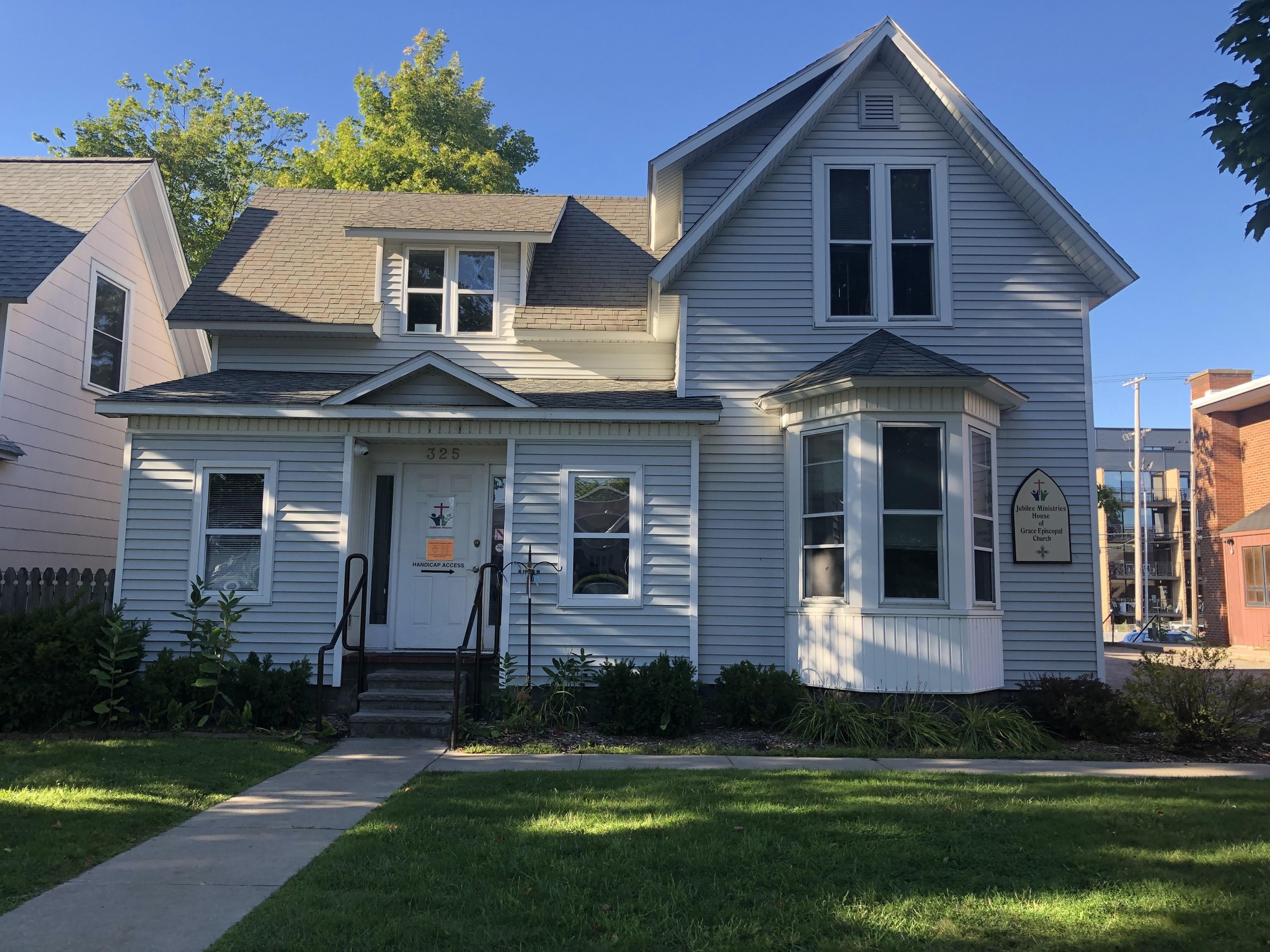
Jubilee House
Jubilee House is Traverse City's only day shelter for adults experiencing homelessness. The program, an outreach ministry of Grace Episcopal Church, is open Monday through Friday from 10am-5:30pm and offers basic services like showers, laundry, warm outdoor clothing, coffee, snacks, internet access and connections to other homelessness assistance.
Less than $100: Snack foods and ground coffee. “Jubilee is bound by the laws of the health department, in that we can only serve individually packaged foods, and they must be store-bought or prepared in a ServSafe-certified kitchen,” said Director Hannah Wescott. “Snacks we serve include fresh fruit, granola bars, cheese/peanut butter crackers, trail mixes, chips, chunky soups, ramen and frozen entrées.”
Less than $500: Winter outerwear. “Men's items are always our greatest need, because our population of men outnumbers our women three to one,” Wescott explained. Specific needs include men’s winter coats – large and extra-large sizes especially – that are heavy, warm, waterproof and hooded, as well as men’s winter boots sized 10-12. Women's needs include large and extra-large winter coats and boots sized six to nine.
Sky’s the limit: A new building. “Our current location, though conveniently placed between other ‘homelessness hubs’ like Safe Harbor and Central United Methodist Church, is poorly suited to meet our needs,” Wescott said. “It’s a crumbling 100-year-old house with three floors and very limited hangout space. With somewhere near 260 people experiencing homelessness in Traverse City at any given time, we would love to be able to shelter more than 45 people – our current maximum capacity – at a time.”
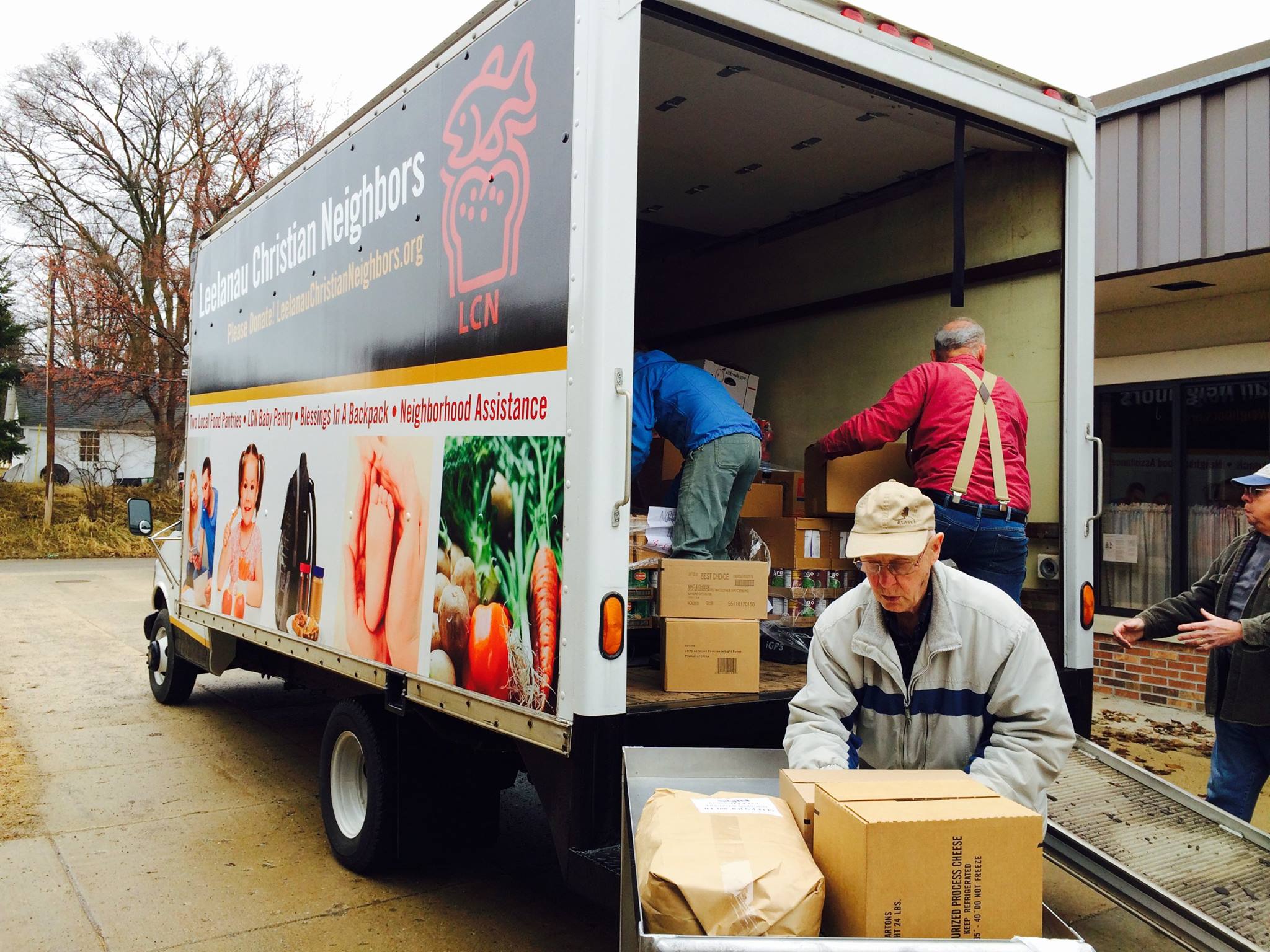
Leelanau Christian Neighbors
Founded in 1987, Leelanau Christian Neighbors (LCN) serves the citizens of Leelanau County through a variety of aid programs, including a food pantry, a baby pantry and financial assistance. Other key offerings include Blessings in a Backpack, which distributes backpacks full of nutritious food to more than 230 at-risk kids throughout Leelanau school districts; and Samaritans’ Closet, a resale shop that raises money for other LCN programs and also “provides clothing and essential household items to neighbors in urgent need.”
Less than $100: “Come visit us and see firsthand what we do,” said Mary Stanton, LCN’s executive director. “See how we can help you, and see how your dollars and food donations help others.”
Less than $500: Currently, LCN is collecting donations for its Leelanau Holiday Program, a collaboration with Toys for Tots. Beyond toys, items on the wish list this year include gift cards for local grocery stores or clothing shops like Old Navy, movie tickets, flannel pants and shirts, leggings, electronics and more. The holiday program is collecting donations until December 15.
Sky’s the limit: “We need a new truck for us to pick up food for our food and baby pantries, our Blessings in a Backpack program, and donations to the Samaritans' Closet store,” Stanton said. “We also would love a house that we could rent out as affordable housing under market rental rates.”
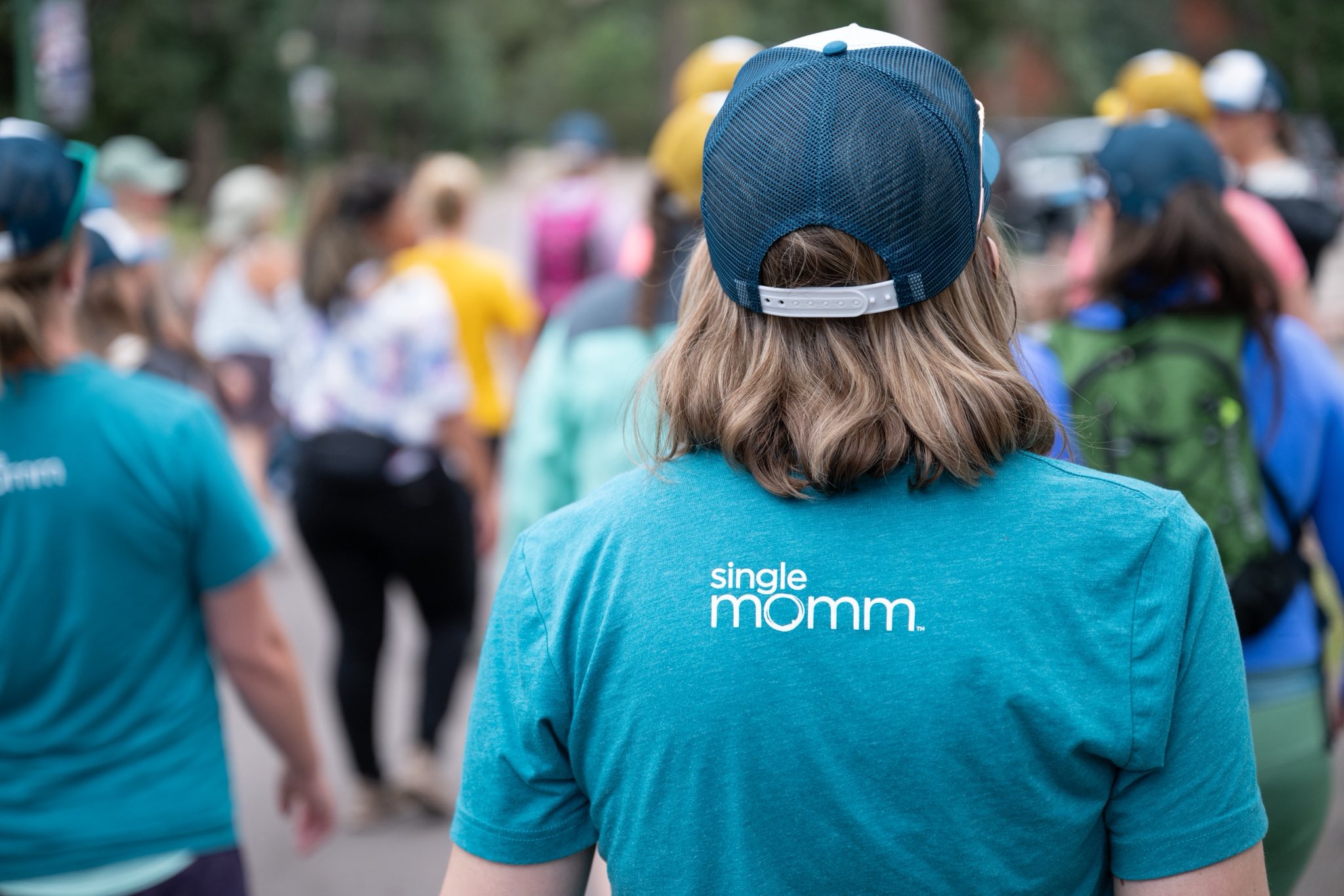
Single MOMM
Single MOMM helps single mothers in northern Michigan find hope, healing, confidence and “healthy independence.” Services include peer-to-peer mentorship, classes designed to give single moms “the tools they need to thrive,” and camp experiences. This summer, the organization took 30 single moms to Colorado to climb Pike’s Peak.
Less $100: During classes and event nights, Single MOMM offers free child care. According to Chris Tredway, the nonprofit’s marketing manager, donations of Amazon gift cards in any denomination can help Single MOMM “cover supplies for our child care programs.”
Less than $500: “We’d love someone to donate 30 copies of the 'You Are Something Spectacular: A Friendship Fill-In Gift Book' by Danielle Leduc McQueen,” Tredway said. “That book is used in our office to help single moms express what they love about their children in a fun, meaningful way that encourages healthy relationship-building.”
Sky's the Limit: A brand-new coffee system, including a brand-new Jura GIGA Espresso Machine. “At Single MOMM, we believe coffee, chocolate and connection changes everything,” Tredway said. “When we offer a hot cup of coffee and listen to stories of devastation and loss, the conversation flows a little easier, the room feels a little warmer, and the message is clear: ‘We see you, we care about you and you are loved.’”