The Big Ask: How local nonprofit leaders stand out when everyone’s asking for money
December 2025
For most nonprofits, fundraising comes down to two pillars: cultivating major donors and maintaining a broad base of smaller, consistent supporters. That second pillar — annual giving — may not generate the splashy six-figure checks, but it often determines whether an organization can keep the lights on and respond to urgent needs.
And this time of year, the stakes skyrocket: Many nonprofits collect as much as 60 percent of their annual giving revenue in November and December. With donor habits shifting, competition increasing, and costs rising sharply, local organizations are working harder than ever to stand out.
To understand what’s changing — and what still works — the TCBN spoke with fundraising leaders at three major Northern Michigan nonprofits, along with a leading consultant. Their insights show just how essential annual giving has become, and why it remains the backbone of successful fundraising.
Backbone of support
At the Grand Traverse Regional Land Conservancy (GTRLC), annual giving makes up only about 20% of private fundraising revenue. But it’s an incredibly important segment for a variety of reasons.
The first is it’s a usually rock-solid source of funding that can help make up for fluctuations elsewhere.
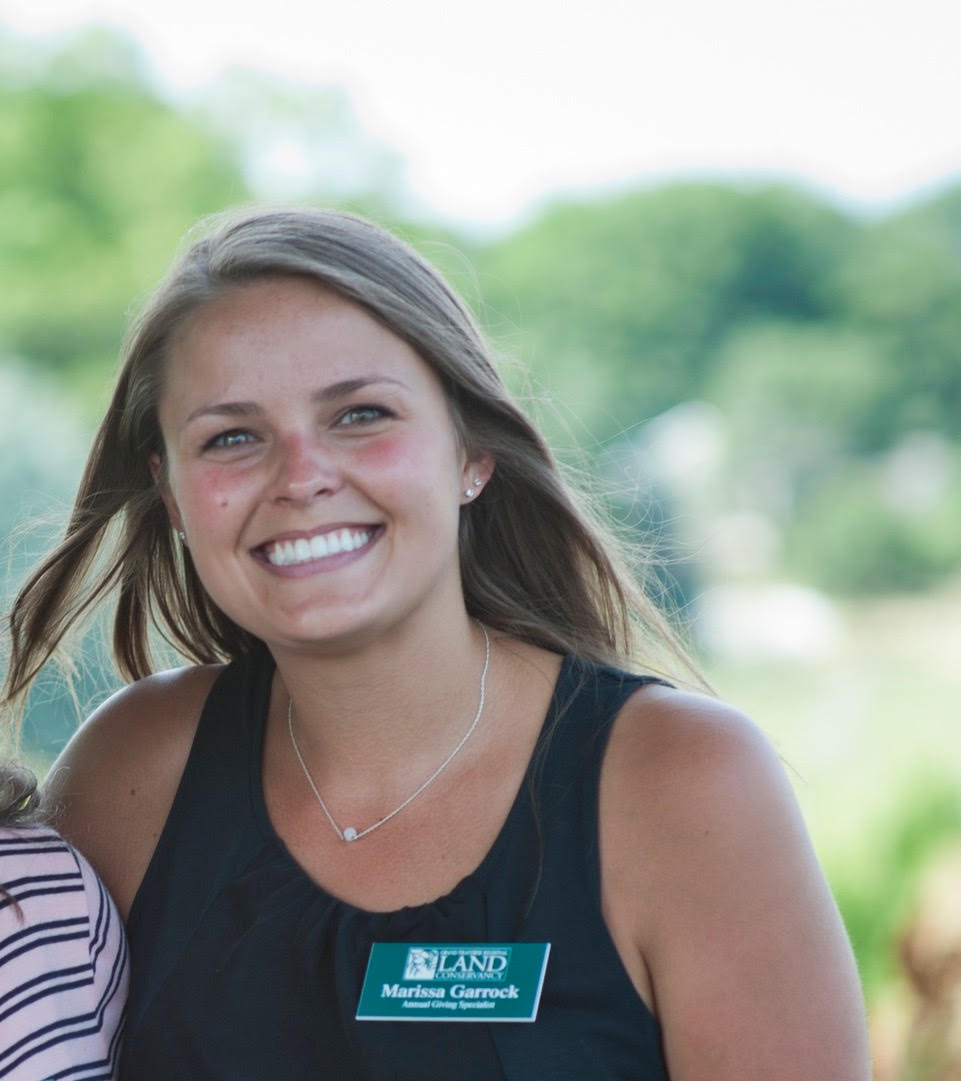 Garrock
“So in years like this when we're seeing a big swing in public funding, a really strong annual giving program helps an organization offset some of those swings,” said Marissa Garrock, GTRLC’s director of development.
Annual giving dollars are also almost always unrestricted, which means they can be used as the organization sees fit (as opposed to dollars that are restricted to certain projects or funds). This is critical, especially when it comes to unglamorous things like paper for the printer, electrical bills, rent and other operational costs.
“Unrestricted dollars are always the hardest to raise, so a donor who is consistently unrestricted is like gold,” Garrock said.
This flexible money also gives organizations like TART Trails the power to take quick action when necessary, Charitable Giving Manager Janna Goethel says.
“Unrestricted gifts are agile and we can use them where they’re needed most,” she said. "Very rarely in trail building does a project come online where we haven't had time to fundraise, but maintenance projects come up, as do opportunities to purchase property that will then become trails.”
Annual giving is also an opportunity to get donors in the pipeline who may later give much larger gifts. Garrock says many conservancy donors who started off with $25 or $50 gifts went on to make six-figure (or more) gifts as they fell in love with the organization.
That’s not to discount gifts of smaller sizes, though. In fact, one of the best things about an annual giving program is that it ensures that gifts of all sizes can make a difference. Take Interlochen Public Radio, where the most frequently given monthly gift amount is $10, but they still manage to raise more than a half a million dollars.
“The real beauty of annual giving is your money pools together with other people who care about the same things, and it really sustains the work of organizations,” said Stephanie Pierce, executive director of annual giving for Interlochen Center for the Arts, IPR and the Interlochen Arts Academy.
A large pool of annual giving donors is also a great way to unlock additional funding from grant-making organizations, major donors, government organizations and more.
“Broad community support is so important to funders and something they really like to see,” Garrock said. “To be able to show how many people support our work year after year is a really important data point, so annual giving really leverages a lot of other giving by showing that broad community buy-in.”
Finally, these solicitations themselves are simply a great way to stay top of mind in the community, local fundraising consultant Anthony Rupard says.
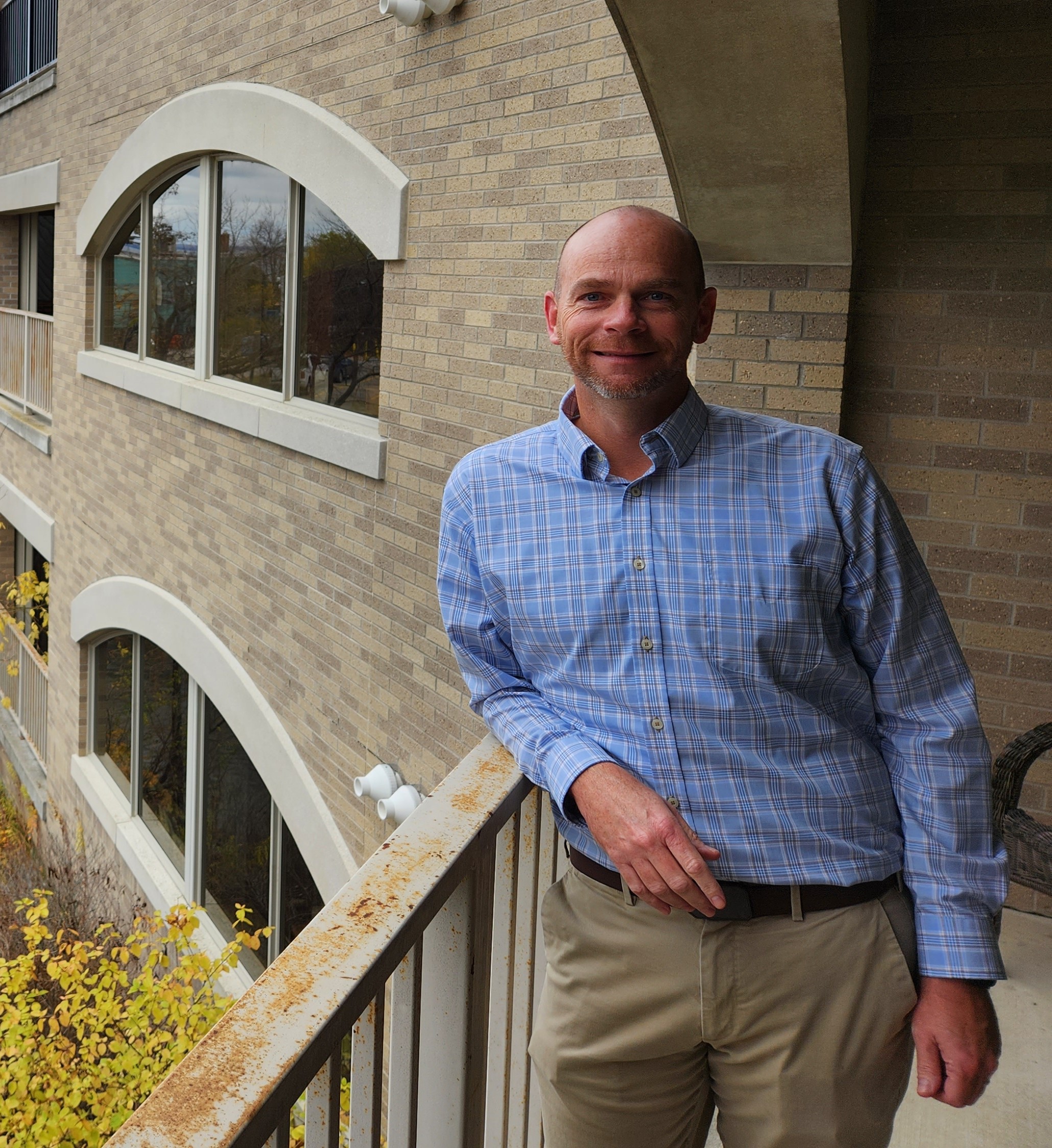 Rupard
“You're expanding your nonprofit's visibility through your annual giving strategies,” he said. “When you're sending out solicitation letters or e-newsletters with an invitation to make a gift ... it's basically a public relations tool. It creates some collegiality, it creates some goodwill, it creates some connectivity.”
Trends and changes
The giving world is changing these days. Nationally speaking, Rupard says, there’s a trend of fewer people giving to nonprofits over the last decade. That doesn’t mean that overall giving amounts are in decline, however, as those who continue to give are giving more.
Still, what’s clear is that philanthropic giving isn’t as automatic as it used to be with previous generations, and that’s something that can make nonprofits uneasy.
“I think younger generations are a little hotter and colder with their support and hop around to try new things, whereas maybe some of those folks that are in the 70s and 80s in our country were more loyal to a few nonprofits and would give year over year over year,” Rupard said.
The philanthropic space has also become extremely competitive, Rupard says, with many more organizations making increasingly sophisticated pushes for money. This can be overwhelming as mailboxes (real or electronic) stack high with asks.
“You'll often hear donors say they get anywhere from seven to 15 of these letters from nonprofits, so they start to experience a little bit of fatigue with this type of solicitation,” he said.
What happens then is that donors are just a little bit more gun shy, especially when it comes to somewhat impersonal solicitation letters or emails.
“Then they're often going deeper and asking themselves ... 'Do I know someone at this organization? Are they doing a good job at regularly communicating the impact of my support? How is my money being utilized? And what is the difference it's making?'' he said. "And if it … hasn't been communicated in a tangible way, they can get fatigued and choose not to give.”
One thing that hasn't changed is that paper is still king in the fundraising world. Even as more and more things end up on a screen, direct mail still resonates with more donors than not.
"There's more and more digital fundraising strategies that nonprofits are utilizing, particularly to engage younger donors in their work," Rupard said. "However, mail solicitations still outperform most digital fundraising techniques."
Local nonprofits recognize this to be true. They all have digital options for giving, but mail is still the best return on investment.
“I always think, is this the last year we send snail mail? But I don't believe that to be the case, and I read surveys through national organizations that indicate that is not going to be the case,” Goethel said. “I think what will change is the opportunities that we give donors to make that gift once they receive the app.”
At Interlochen, Pierce tracks donations and finds that plenty of online/digital donations were in fact spurred by a mailed letter, so the two can work hand in hand. Direct mail overall still “vastly outraises” other methods of fundraising, she says, at least when it comes to annual giving.
A big part of that is its actual, physical presence, she says. It’s easy to ignore an email, and people rarely revisit emails in an overflowing inbox. But that pesky letter has “sticking power.”
“Even if you get the letter and don’t have time to open it … you know who it's from, you know that they're asking, you know that it's time,” Pierce said. “I get [donations in] and tracking shows me that it's like from letters we sent over a year ago, because they just hang around until somebody’s like ‘Ahhhhh, I gotta do it!’”
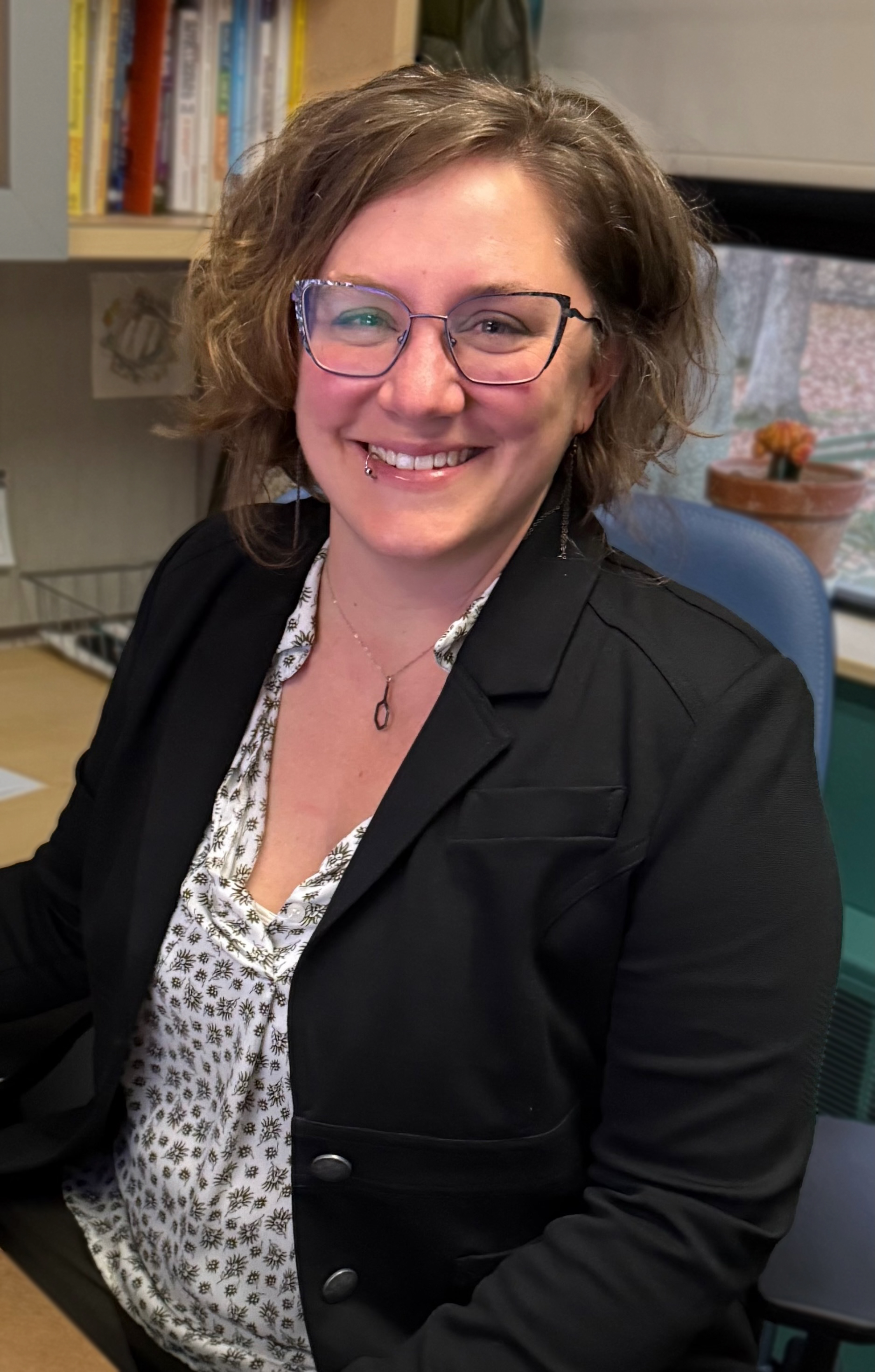 Pierce
Generally though, it’s not an either-or situation. Direct mailings are supported by emails, giving multiple touch points and more ways to give.
“A multi-channel approach is the best approach, getting audiences in many different ways, but mail still continues to be a very strong fundraising vehicle for us,” Garrock said. “I do wonder if that will kind of shift over time as the next generation grows in philanthropy.”
More people giving digitally might be a welcome shift as nonprofits are hammered by sharply increased costs for mailing.
“I see people really trying to get away from direct mail because it is extremely time-consuming, labor-intensive to set up and very, very expensive,” Pierce said. “But again, I think you can be smart about who it is that you're mailing and when, and the investment pays off.”
On the surface, it might seem that the written and systematic structure of annual giving practices might make them ideal for automation with artificial intelligence. Most in the fundraising world are approaching this new era with extreme caution.
“There are a lot of different AI tools available for grant writing, or editing cover letters or helping generate a major donor proposal,” Garrock said. “There’s going to be interesting conversations about what’s ethical, what pieces of fundraising could be automated and what pieces still need to be personal, and how donors feel about AI.”
Pierce is aware that many people are pushing for AI, but she’s wary about going down that path.
“Fundraising is all about truly connecting with someone and what it is that they want to support, what it is they care about, and I think the less you have your mind and your hands and your head in the game, the more distance you get from your donors,” she said. “I think if you're using those tools in fundraising you have to be really careful and really thoughtful.”
Demonstrating impact
Asked what they do to stand out from the crowd, TART, GTRLC and Interlochen all point to their very strong track records of keeping their donors engaged and informed. To Rupard’s earlier point, they know that donors are increasingly selective about who they support, and keeping them in the loop is the best way to keep them around.
“Part of what makes us successful in fundraising and bringing these annual gifts in year after year is what we do after the gift comes in,” Goethel said. “Storytelling, storytelling, storytelling is so huge. Here's what we're doing. Here's how people in the community are benefiting. And here's what's on the horizon.”
Pierce echoed those sentiments.
“We really stay on message about what people's gifts are supporting so there’s never a question, and we tell really good stories,” she said. “Storytelling is very, very
 Goethel
important.”
Stories in which real people talk about how an organization has changed their lives have always been bread and butter for many nonprofits.
“We feel strongly that if you’re asking for somebody's attention [and donation] that we want to tell a really good story, even if you're skimming it,” Pierce said. “I am super proud and love the stories that we do … because they're usually an [alumnus] telling their story or a parent talking about their experience, and they're really telling a very personal story.”
At the conservancy, in addition to two major mail campaigns a year (often called “appeals” in the fundraising world), donors get detailed impact letters three times a year that specifically describe how their money is being used.
“They essentially just thank donors again for their support and share three real-time examples of what their giving has helped us accomplish,” Garrock said.
GTRLC also works to get people as involved with the organization as possible, through volunteering and other means. Donors that are actively involved have a much higher propensity to give.
“We really emphasize the relationship aspect, so we do things like send a really personalized welcome packet when someone makes their first gift to the conservancy, something that really orients them to the organization and to the mission and gives them opportunities to engage,” she said.
Ultimately, the job is to make it very clear that all gifts do in fact matter, and are in fact making a difference.
“We make sure we do a really good job letting people know that what they can give matters, regardless of the amount,” Pierce said. "It's easy to talk yourself out of it if you feel like you can't make the impact that you want to … so we stay super-focused on that because it’s so critical.”
Some of this messaging involves asking what donors would like to see different, just another way to give them buy-in.
“The [national] data across the board shows declining donor retention, so that’s something we’re really keeping our eye on,” Garrock said. “We’re putting even more emphasis on stewardship and the relationship component, really getting to know our donors understanding of why they value our mission and what they want to see the conservancy doing.”
All three nonprofits also lean heavily into thanking donors. The more personal, the better. So that means handwritten notes, phone calls, donor events and more.
“Once people give and they experience someone actually reaching back out and saying, ‘Hey, I saw that you did this and it was really important and it really mattered,’ they stick around,” Pierce said. “We have a good retention rate [in part because of this].”