The Munson Math Problem: How Munson Healthcare manages its myriad physician recruitment needs
November 2025
Population growth, demographics, retirement trends, tourism and industry-wide shortages are just a few of the factors that play into the physician recruitment equation at Munson Healthcare. Though typically associated with Traverse City first and foremost, the Munson system spans eight community hospitals and serves approximately 540,000 residents across its 29-county, 14,667-square-mile territory – “about the size of Vermont and Delaware combined,” as the Munson website puts it.
Munson relies on some 7,500 employees to keep that sprawling system running, about 1,000 of whom are physicians. As with most local employers these days, hiring challenges permeate every category of the organization, from service workers to nurses.
According to Munson leaders, physician recruitment is one of the trickiest aspects of operating a healthcare system – though not necessarily in the same ways that hiring is difficult in other segments of the northern Michigan workforce.
“It's a little bit different when we're recruiting physicians versus when we're recruiting other positions,” said Munson Healthcare Chief Operating Officer Laura Glenn. “For example, the relative levels of pay are different, which means things like housing are just less of a barrier when hiring doctors than with other members of our clinical team, like nurses or radiology techs.”
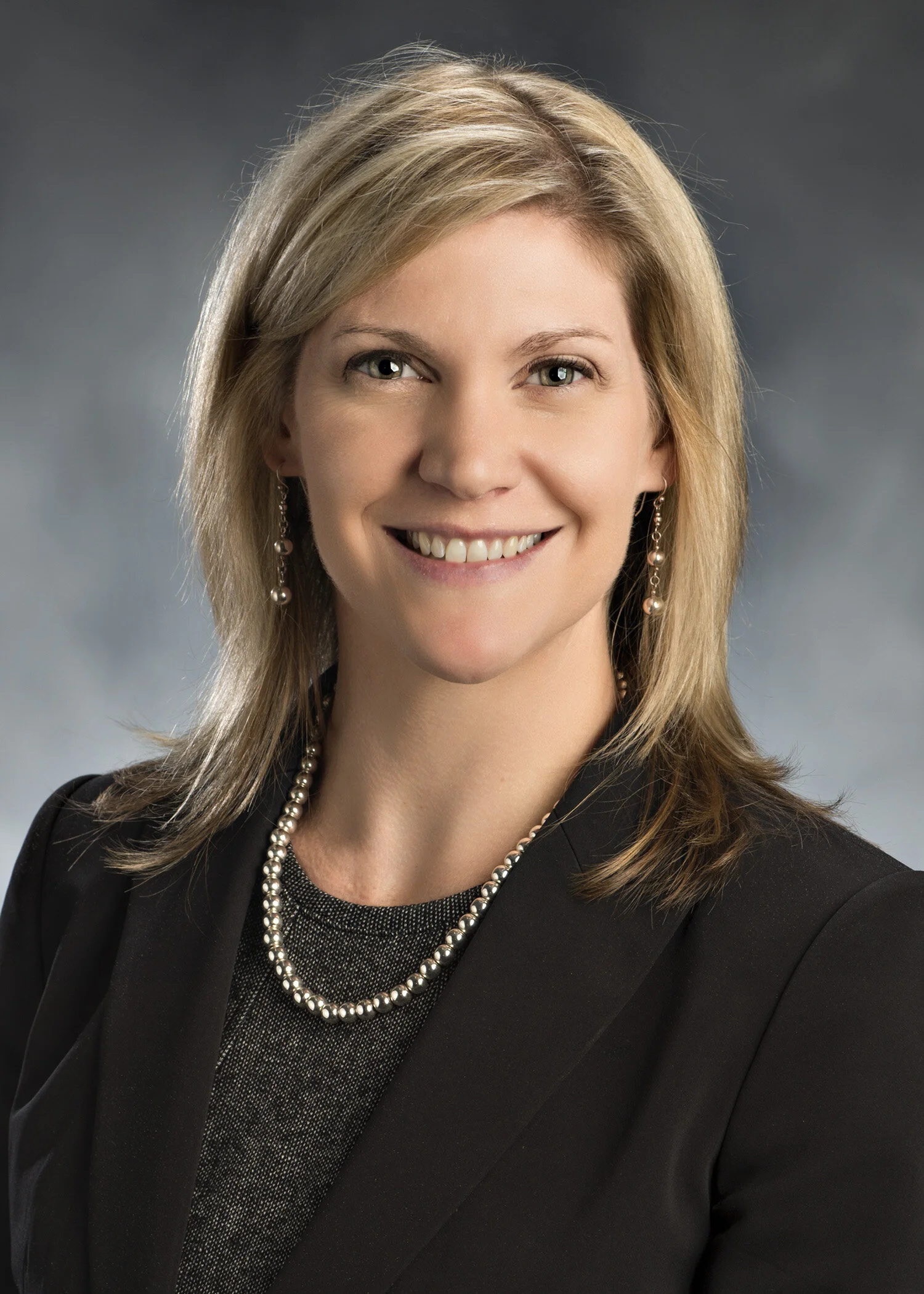 Glenn
GlennThe pain points
Instead, Glenn says it’s the sheer variety of medical specialties that makes physician recruitment uniquely complicated. According to its website, Munson Healthcare’s 1,000 physicians span 63 different specialties, and some of those categories are significantly harder to hire for than others.
“Obstetrics/OB-GYN is the one that we are the most concerned about,” said Dr. Joe Santangelo, Munson’s chief medical, quality and safety officer. “There are just not very many OB-GYNs being trained out there; it’s really a national shortage. Now, nationally, there are physician shortages in almost every specialty. But obstetrics is one that we really worry about, because it’s a service that we absolutely need to provide, and it’s been challenging to recruit OB-GYN providers.”
Anesthesiology and gastroenterology round out the top three medical specialties on Munson’s physician recruitment challenges list.
“In all of those areas, what we really have to do is look at our specific internal data of what we think we need, and then go out to the market and try to understand our potential candidates,” Santangelo said. “So, take obstetrics. What are obstetricians looking for when they come out of training? What about experienced obstetricians considering moving to a new job? And what do we need to do differently within Munson Healthcare to try to recruit those specific specialties? That might be changes to the way that we handle on call, which is a pain point for many providers, or maybe it’s things like salary and benefits.”
The geography quandary
According to Glenn, Munson’s hiring challenges in these pain-point areas are exacerbated by the size and sprawl of the system.
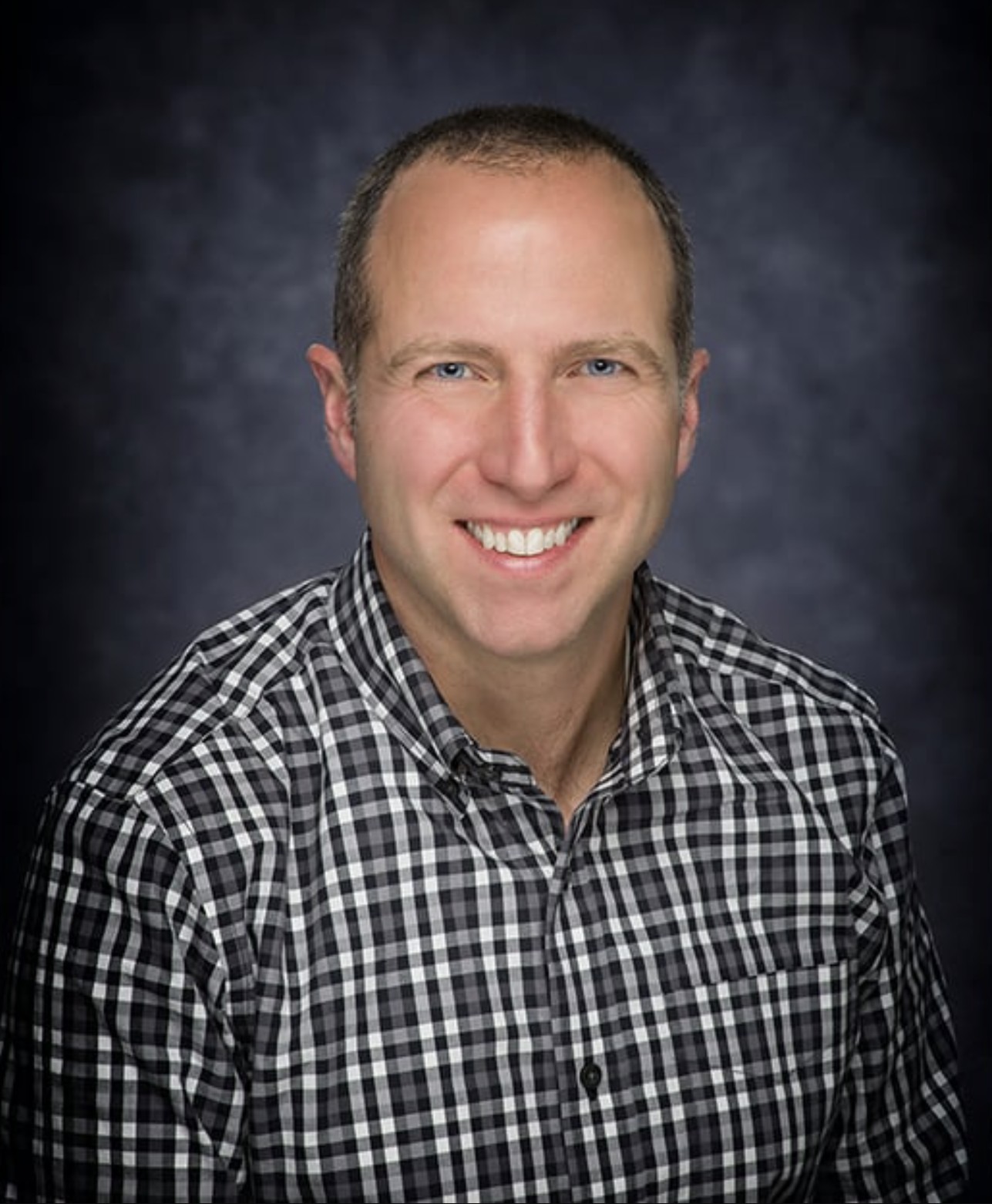 Santangelo
“We definitely struggle more in some of our rural communities,” Glenn explained. “OB-GYN is a great example. We have a really strong OB-GYN group in Traverse City, but have struggled to recruit to some of our regional hospitals. And as Joe said, being able to offer obstetrics in those rural communities is really, really important.”
It’s not just that doctors are reluctant to move to rural areas. Santangelo says that, since most medical training happens in urban areas, physicians get used to the rhythms of urban healthcare systems – a fundamentally different pace of work than rural communities or even small/mid-sized towns like Traverse City.
“If you’re in a training program where you're in a big city and you're training in a group of 20 providers, it feels very different to move to a smaller town where you might be one of a group of two to four providers,” Santangelo said.
Countering the big-system-to-small-system culture shock is possible, but it requires significant advance planning. Glenn says students in the medical field these days are “starting to make decisions earlier and earlier in their training programs” about what they want the careers to look like. He says Munson is trying to find ways to “connect differently and with more training programs to be able to be considered by those candidates early on.”
“It’s about helping [young doctors] to understand the value that they’re bringing to a small community, and the benefits of working in a smaller group – and about finding those folks who really want that,” Santangelo added.
Planting the seeds
The need to start those recruitment relationships earlier also ties into another of northern Michigan’s biggest, most universal workforce challenges: shifting demographics.
“We had a group of anesthesiologists in one of our facilities, where they all came in at the same time, they all practiced together for 30 years, and then, within the last five years, they all retired,” Santangelo said. “That was in just one community, in one specialty. Now, when we look across the rest of the system, I don’t think we’re seeing that kind of cliff where we say, ‘Oh my gosh, we have 40% of our providers who are going to retire.’ But we do have to be mindful.”
According to Glenn, a key part of Munson’s recruiting equation is about looking ahead, across the entire organization, to understand “who is likely to retire within the next five years.” That approach allows for a version of succession planning to happen for each segment of Munson’s physician team.
“When you look at the average age of our primary care providers in Traverse City, it's actually fairly young compared to national averages – in part because we have a residency training program in family medicine, and we do a great job of retaining those residents,” Glenn said. “But then, if you go out to a couple of our outlying regions and you look at primary care, the average age is way higher. Keeping an eye on those numbers helps us devise multi-year recruitment plans by service line, by specialty and by region. And we’re definitely thinking in a five-years-out timeframe, because it can take a couple of years to recruit some of these specialists. This is not a recruitment that happens in 90 days.”
Growing region, growing needs
A growing – or flexing – population is another factor that plays into the recruitment math problem. The 2020 census flagged Grand Traverse County as one of just five Michigan counties with a population growth rate (9.4%) that eclipsed the national average. In addition, between seasonal residents and tourism, summertime demand spikes significantly at Munson hospitals. This past summer, Munson Medical Center saw its highest-ever daily inpatient census (455 patients, on July 9) and its biggest one-day tally of emergency room admissions (193 patients, on July 14). Munson is eyeing those types of metrics closely to determine where recruitment needs to go beyond replacing retirees or adding new specialties.
 Victoria Buescher at Munson Healthcare Petoskey Community Health Center; Ryan Burke at Munson Healthcare Great Lakes Plastic Surgery & Skin Center; Emily Levin at Munson Healthcare Neurosurgery; Heidi Pangborn, Munson Healthcare Neurology; and Michelle Beigle at Munson Healthcare Petoskey Community Health Center
“There are some national surveys that say, ‘For every X number of people, you need this number of providers in each of these specialties,’” Santangelo said. “Those numbers give us a good reference to say, ‘Okay, where are we? How many do we have, and how many do we think we might need, just based on our population?’ But then we also look at things like how long it takes to get in to see providers, both for new and established patients.
That number we watch on a month-by-month basis, and if we’re really seeing those wait time numbers creep up, then we probably need to hire more people.”
Another key metric to watch: how many referrals Munson docs are making to specialists outside of northern Michigan. The more referrals, the more likely Munson is to “look into whether that's something that we could provide here,” Santangelo said.
Little victories
So where has Munson scored wins in recruitment lately? Glenn points to four areas: primary care, neurology, neurosurgery and rheumatology. Munson has hired six new neurologists in the last two years alone, and has gone from zero rheumatologists four years ago to three today. Those wins are worth celebrating, Santangelo says, even if they’ll never mean that Munson’s recruitment challenges are totally gone.
“These things have an impact,” Santangelo said. “Take neurology. That’s something that a lot of people need, because it’s such a broad specialty – everything from people who have seizures to people who have migraine headaches to people who have early onset dementia. So, we’re really excited that we've been able to recruit some new people in that area, because it helps us broaden both the scope of the kinds of conditions that we can take care of and also just the access of getting in to see a doctor.”