Power to the Workers: Employee-owned companies gain momentum in region's business community
June 2026
Although they’re years away from retirement, Tyler and Jen Cerny wanted to ensure their company would remain locally owned long after they left. They decided an employee stock ownership plan, or ESOP, was the way to go.
“I’m a big advocate of it,” said Tyler Cerny, 53, president of Strata Design in Traverse City. “I have acquaintances who sold their businesses to larger companies. It changed their whole businesses and how they operate.”
 Cerny
Cerny Strata Design, a 45-employee architectural millwork and custom fixtures manufacturer serving healthcare, education and hospitality businesses, became 100% employee-owned last year. It joins at least nine other local ESOP companies with more than 300 employee-owners, according to the Michigan Center for Employee Ownership. Several of those companies agreed to be interviewed for this story.
The largest ESOP in the Traverse City area likely is Team Elmer’s, a 520-employee construction firm.
Established in 1956 by Elmer Schaub and expanded under Butch Broad's leadership from 1978 to 2009, Team Elmer’s took its next major step in 2023 when Broad’s three children transitioned to a 100% employee-owned ESOP.
“We are still relatively new,” said Tonya Wildfong, Team Elmer’s spokeswoman. “Employee-owners are excited to be able to see the success of the company directly benefit their shares over time.”
Retirement plan for workers
Businesses implement ESOPs for a variety of reasons, including ownership succession and the significant tax advantages and benefits they offer a company and its employees. An ESOP is considered a qualified retirement plan for workers.
An ESOP allows employee stock holdings to grow while taxes are deferred, similar to 401(k) retirement savings plans. Cerny says there are also various ways for a business owner to defer or reduce taxes in a sale to an ESOP.
“I think more and more folks are taking ESOPs seriously and see them as a viable business succession strategy,” said Tom Olive, a Grand Valley State University finance instructor and an ESOP expert. “Some business owners don’t want to sell to a competitor or private equity. They want to give the company back to their employees.”
Although there are various complexities, an ESOP basically works like this: the business owner sells stock, up to 100%, to a trustee that arranges financing of the sale and distributes the shares, free of charge, to the employees. When employees retire or leave, the company buys back their shares at fair market value. ESOP companies, typically S corporations, pay no federal or state income tax.
“The most magical part of an ESOP is that everyone who is a participant becomes a beneficial owner. You never have to invest a dime up front,” said Olive.
Olive is a retired business executive who was formerly the president and CEO of Crystal Flash, a large, 100% employee-owned fuel distributor with an office in Traverse City.
Tax advantages and motivation
MCEO promotes ESOPs primarily as a tax-advantaged way for business owners to cash out and retire while allowing their companies to remain independent. More than 83,000 businesses in Michigan have owners who are 55 and over, many of whom do not have a succession plan. That puts these companies at risk of being sold and moving out of state or closing their doors.
 Madion
Fifty-four percent of businesses in Grand Traverse County are owned by people 55 years and older, according to the MCEO. In Benzie County, 55% of business owners are 55-plus, while the percentages of 55-plus owners in Kalkaska and Leelanau are 40% and 47%, respectively.
Thompson Retractor (formerly called Thompson Surgical Instruments) in Traverse City, founded 61 years ago, took a typical path to employee ownership. Then-owner Dan Farley created the company’s ESOP in 2014 and has since retired.
“We think it’s been great,” said Megan Madion, Thompson’s chief operations officer. “Employee ownership directly affects how the business is doing. We have an annual evaluation of the stock. When the employees see the value increasing, it’s exciting.”
Leaders of ESOP companies say employees having skin in the game prompts them to be more diligent in their jobs, which can lead to better financial performance.
“It motivates people to think of the company as their own and about the money we’re spending,” said Shelley Steele, president of Corbin Design, a Traverse City signage and wayfinding design employee-owned company. “It makes them understand that anything we’ve saved goes back to them.”
A forced retirement plan
An ESOP also serves as a forced retirement savings plan for workers who either can’t afford to or won’t save for their retirements, Cerny says. Strata also offers a 401(k) with a company match that some workers choose not to take advantage of.
The ESOP “is a great vehicle for employees to earn a benefit for retirement, which could be pretty significant,” he said.
A 2023 study by the National Center for Employee Ownership found that employee-owners of ESOP companies had a median retirement savings account balance of $80,500, more than double the $30,000 median balance in non-ESOP companies.
Hurdles and hoops
Executives at local ESOPs say they’re generally pleased with how they’re working but acknowledge that there are more regulatory hurdles to navigate than other types of ownership structures.
Consultants must be hired to conduct annual valuations of company stock. And ESOPs must pass various Department of Labor and Internal Revenue tests to maintain their tax-free status. Much of an ESOP’s tax savings can be eaten up by compliance and reporting costs, and repayment of loans taken out by an ESOP to buy the company from an owner.
“It’s just a different structure,” said Chris McAlpine, Thompson Retractor's controller. “There are more hoops and regulations, a little more than in a typical type of ownership.”
 Spence
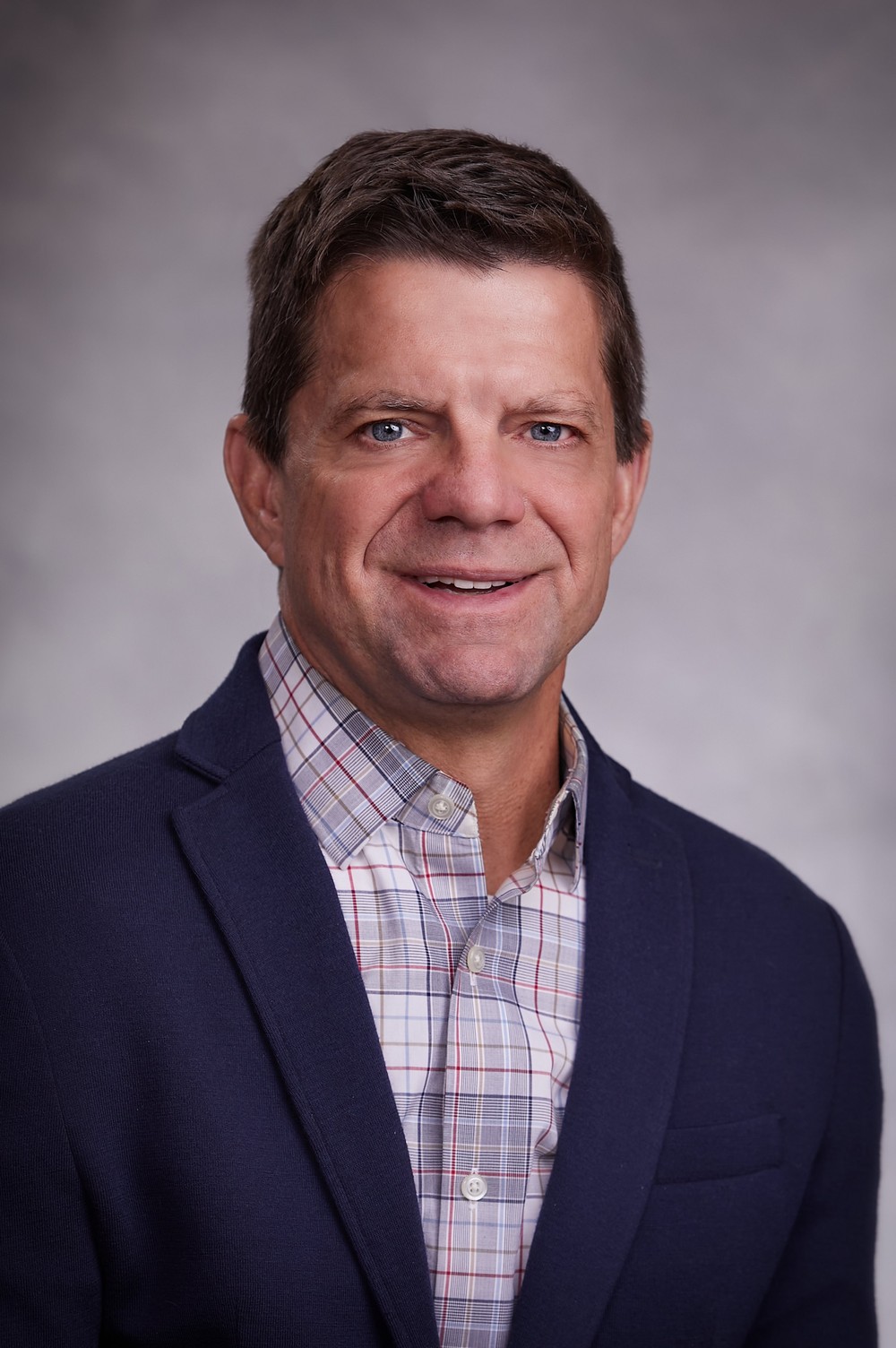
Saginaw-based Spence Brothers, a commercial construction company that has had an office in Traverse City for the past 25 years, converted to an ESOP in 2022 as numerous family members who worked for the company were wanting to retire or move on as the company was growing. Spence Brothers employs about 100 people.
“We were looking for a way to align leadership to ownership, which is one of our core values,” said CEO Bob Spence, who lives in Traverse City.
The ESOP has worked well, he says, but there have been some hiccups along the way. The costs of creating the ESOP were higher than anticipated and the annual stock evaluation process can be “arduous but we’ve managed it pretty well,” Spence said.
Cash flow and cashing out
Olive says ESOPs tend to work best at “steady cash generation businesses. There is going to be borrowing that has to be repaid,” he said. “Companies need to have a solid history of generating cash flows and repayments.”
ESOPs often aren’t suited for fast-growing companies, he said, because the ownership structure makes it difficult to raise enough new capital to finance growth.
Cerny has become somewhat of an evangelist for ESOPs, which he believes could benefit many more businesses in the Grand Traverse region where owners are looking for a way to eventually cash out of their companies while maintaining local ownership.
“It’s a great option for them to transition their businesses to their employees,” he said.
Local ESOPs identified by the Michigan Center for Employee Ownership and TCBN:
Team Elmer’s-520 employees
Spence Brothers-100 employees
Thompson Retractor-100 employees
Easling Construction Company-70 employees
Kalkaska Screw Products-59 employees
Great Lakes Environmental Center-50 employees
Strata Design-45 employees
Jacklin Steel Supply-36 employees
Frontier Computer Corp.-21 employees
Corbin Design-10 employees