Underwater: Most homeowners lack flood coverage; some pay dearly
September 2026
When it rains, it pours.
Sometimes it rains, pours and floods, causing millions of dollars in damage and considerable headaches for property owners and civic authorities.
Such was the case in April, when historic rainfall caused extensive flooding along the Boardman River and a complete washout of the bridge at Beitner Road, the lack of which is still causing traffic problems in the region.
Aside from issues along the Boardman, scores of homeowners throughout the region experienced some degree of flooding in their basements or other associated water damage due to a wicked combination of heavy snowmelt, partially frozen ground and torrential rain.
Unfortunately, from an insurance standpoint, many of these homeowners were out of luck. Standard homeowner policies do not cover floods, groundwater seepage or other sorts of water incursions from outside the home. Flood insurance covers much of this, but few people outside of designated flood zones (or other known risk areas) purchase it.
 Carter
This meant a lot of tough conversations for local insurance agents.
“It’s frustrating. I’ve been doing it for 25 years, and I don’t have very many times where I’ve had to tell someone ‘I’m sorry, you don’t have coverage,'” said Scott Carter, a local Farm Bureau Insurance agent. “(Insurance agents) make their careers out of helping people, and when we have to tell them there’s not coverage for something like that, it’s a rough day.”
“We had some difficult conversations. There were some people that had to dig into their own pockets to cover damage, there’s no doubt,” added Chris Hathaway of Ford Insurance Agency. “It’s never a good situation when you can’t tell people ‘Hey, we’ve got coverage for your loss.’ That’s just never good for anybody.”
Other incidents – notably the Gaylord-area ice storms of early 2025 – may have caused more total monetary damages, but the April floods exposed more people to out-of-pocket costs.
“As far as a situation in which there’s a lack of standard policy coverage, this is definitely going to rank right up there,” Hathaway said.
Flood insurance basics
Flood insurance is most often purchased through private insurance companies, with many plans backed by the federal government through the National Flood Insurance Program. While almost every homeowner has homeowner’s insurance, far, far fewer have flood insurance.
“I’ve read some statistics that in Michigan, it might be one, two or three percent of property owners buying flood insurance," said Tyler Bartosh of Top O’ Michigan Insurance Solutions' Traverse City office. "And in our experience, many people that are buying flood insurance only buy it because it was required by their lender, so it was not by choice."
Such was the case along the Boardman River, local insurance industry folks say, where many homeowners with damage were able to get coverage because they had lender-imposed flood insurance.
“But if they don’t still have a mortgage, it’s probably 50-50,” said Corinna Huffman of Cardinal Insurance Group.
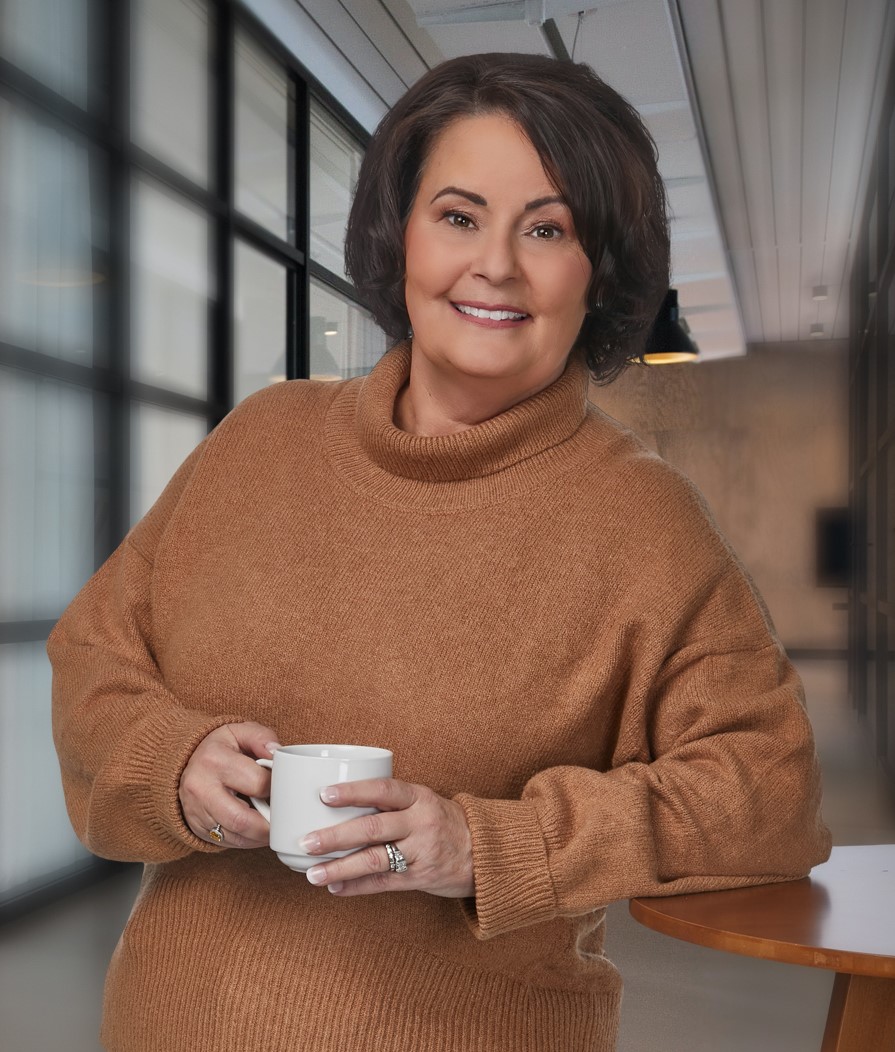 Huffman
Even people in flood zones as designated by the Federal Emergency Management Agency (the Boardman River is in one) often fight tooth and nail to avoid having to pay for coverage.
“In my 20 years in the business, I’ve had (several) clients try to get out of buying flood insurance,” Bartosh said. “When it’s been a lender requirement, they’ve paid to have new surveys done or rezoning; they’ve gone through more hoops than I would have to get out of paying for it.”
Bartosh gets it.
“Most buyers are like all of us,” he said. "They opt out of getting something like flood insurance because it costs extra money and because we have a pretty low historical risk. Especially if you don’t have a lender requirement, (you just aren’t) going to go that way.”
Not just for flood zones
Cardinal Insurance offers flood insurance to everyone, Huffman says, regardless of whether they’re in a flood zone.
“We do explain to people why we offer it to everyone, but a lot of them say, 'Well, I'm not in a flood zone, I'm up on a high hill. I don't need it,’” she said.
Cardinal’s team goes on to explain that flood insurance covers a lot more than floods in the traditional sense, including the exact types of situations that played out in April, and that many flooding incidents happen outside of designated flood zones.
“We give those prime examples of heavy rains where surface water pools on top of snow, collapse of land, mud flows, stuff like that,” she said. “So when they say no, we then start with our spiel and educate them. Although you're not in the flood plain, did you know that pooling or runoff of surface water from any source is not covered (without flood insurance)?”
One client near Lake Ann had lower level flooding due to the April rains combined with some poor landscaping, Huffman says, and Huffman had to point out to this irate client specifically where she declined flood insurance.
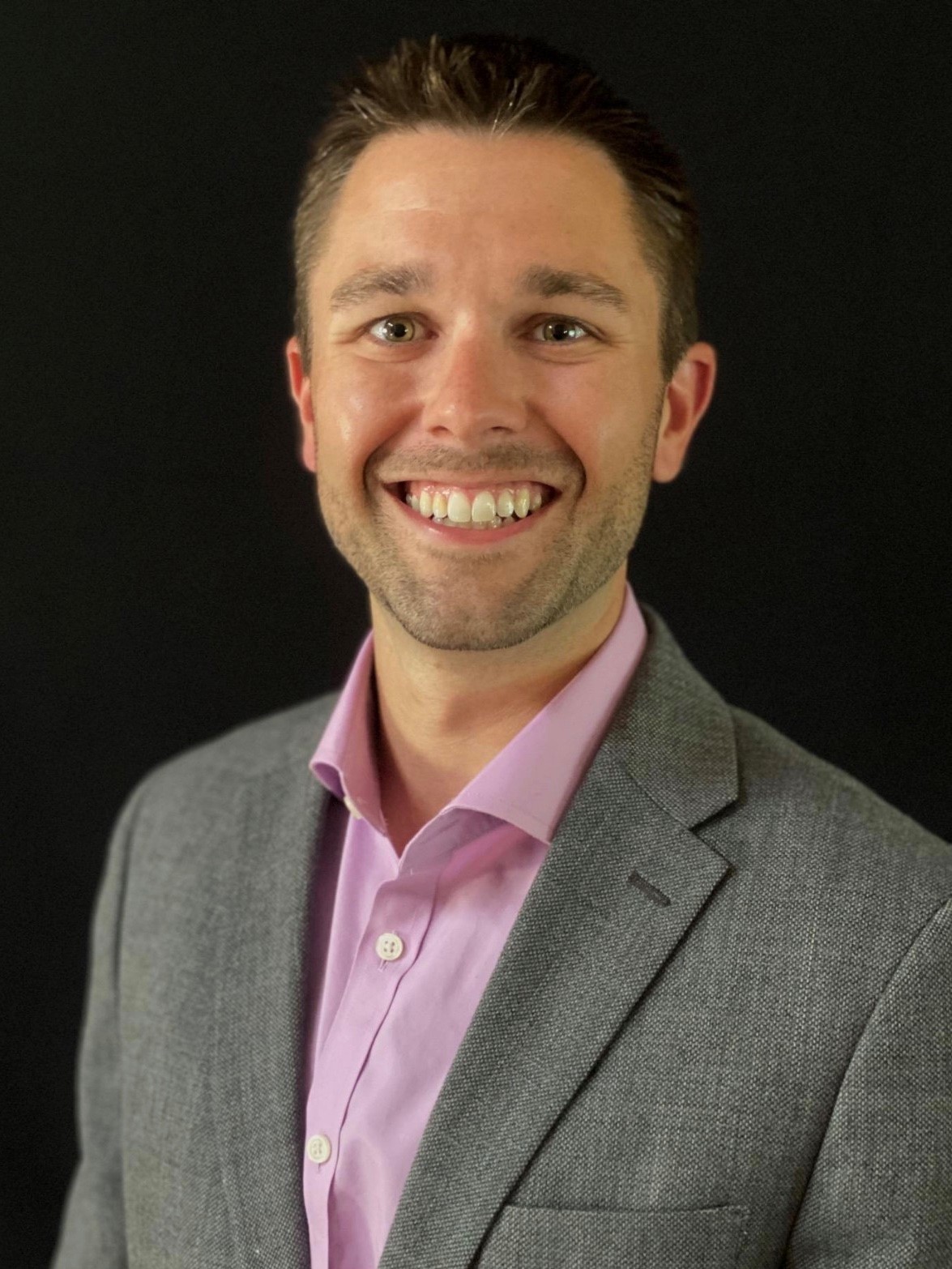 Bartosh
“Our business model is set up to educate clients on what they're purchasing and what the ramifications are of not purchasing it,” she said. “So to be honest with you, the conversations we have can be difficult, but they kind of have an inkling up front.”
Fortunately, the perfect mix of factors that caused damage in April is simply not common.
“I've been in this 20 plus years, and this is kind of an anomaly, with the frozen ground, heavy rains, the amount of runoff we had. You don't generally see this for homeowners that are in a normal, everyday subdivision,” Hathaway said. “The couple of people I talked to that I knew were in situations that I would have never expected to have issues with their basements.”
Bartosh says that even after April’s flooding, he and some others he works with are unlikely to purchase flood insurance for themselves. But, he says, passing on those types of coverages seems to be an increasingly risky endeavor. His office is likely to start pushing flood insurance more regularly.
“Unfortunately we're starting to see these ‘once in a hundred year’ storms or events happening more frequently,” he said. "So as consumers, maybe we need to think a little more strongly about how comfortable we are rolling the dice.”