Growing Their Own: How the MSU and Munson alliance is combating rural doctor shortages
November 2026
Despite sweeping changes in healthcare financing and medical education, the decades-long relationship between Munson Healthcare and Michigan State University in training physicians remains robust.
Munson Medical Center has been one of 22 “base hospitals” training third- and fourth-year medical students from MSU’s College of Osteopathic Medicine since the 1990s. Munson is one of only two MSU base hospitals in Northern Michigan. The other is MyMichigan Medical Center Sault in Sault Ste. Marie.
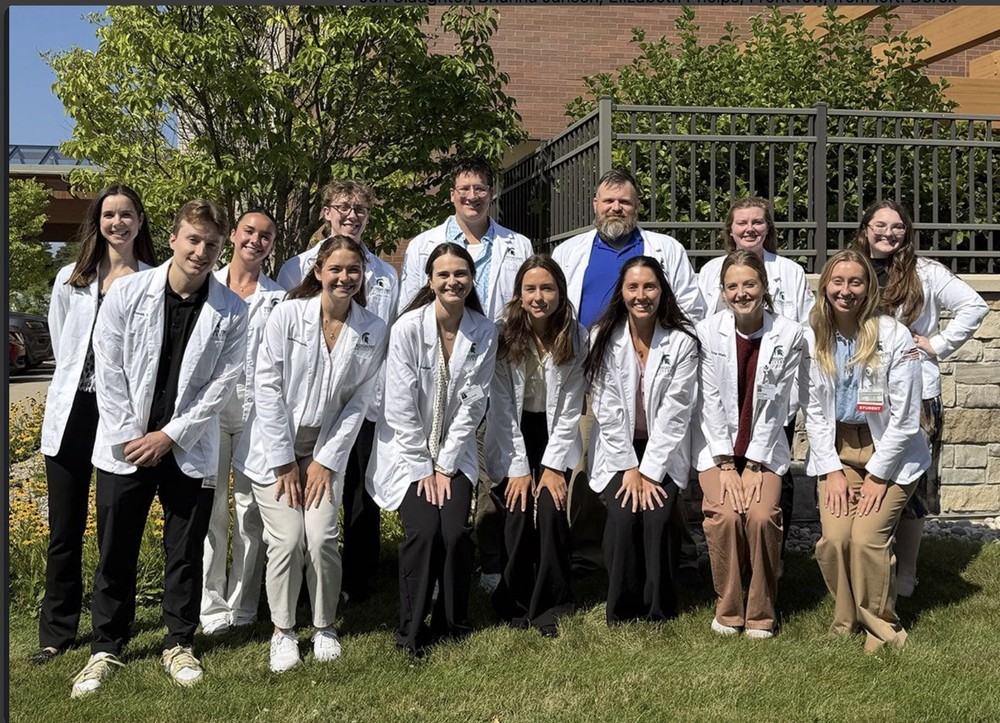 Third-year MSU medical students began their clinical training at Munson this summer.
Third- and fourth-year students from MSU’s College of Human Medicine began completing their final years of medical school at Munson in 2009. There are 9 students from the College of Osteopathic Medicine studying in Traverse City.
One of those students is Terrance Duncan, a fourth-year osteopathic medicine student. Duncan is from metro Detroit but growing up spent summers at a family cottage in Grayling. He said his first choice of a location to finish medical school was at Munson.
“I’ve had an overwhelmingly positive experience,” he said. “I absolutely love it here.”
Munson also runs a three-year Family Medicine Residency Program in Traverse City serving 18 residents pursuing careers in rural family medicine. The program includes osteopathic and human medicine residents.
“It’s a strong relationship,” said Dr. J. William Rawlin, director of the Family Medicine Residency Program. “MSU really does support us in the work we do.”
MSU’s two medical schools are “community-based” institutions where students finish their education at a consortium of hospitals, rather than in university classrooms and at university-owned hospitals.
The osteopathic students are based at Munson Medical Center in Traverse City, while 28 human medicine students are spread out at Munson Healthcare’s seven other hospitals, plus MyMichigan-Alpena and Corewell Health-Ludington.
Rawlin says Munson’s physician training programs remain strong despite increasing financial pressures faced by the university and hospital systems educating budding physicians.
The landmark federal One Big Beautiful Bill Act, which passed last year, will cut an estimated $1 trillion from healthcare spending programs, including Medicare and Medicaid, making it more difficult for hospitals to afford physician training.
Munson Healthcare has reported the Medicaid cuts could cost the eight-hospital system about $30 million in lost revenue once they are fully implemented.
About half the births in Munson hospitals are covered by Medicaid, as are 75,000 northern Michigan residents.
“We’re just a line item in a hospital’s budget,” Rawlin said. “But we’re very well supported by Munson.”
Rising medical education costs are prompting many students, who might have otherwise pursued careers in much-needed primary or family care, to train for higher-paid jobs in various medical specialties.
On top of that, the federal government is attempting to limit the amount of money students in professional fields, including medicine, can borrow to fund their education.
The One Big Beautiful Bill Act, passed last year by Congress, limits borrowing for professional degrees to $50,000 a year. The median cost of a four-year medical degree at a public medical school is about $270,000, according to the Association of American Medical Colleges.
Several professional organizations have sued the federal government, seeking to overturn the caps.
“That’s our challenge in primary care,” Rawlin said. “It’s a hard job.”
Nevetheless, Rawlin says the Munson-MSU relationship is playing a significant role in filling the pipeline of primary care physicians in the region.
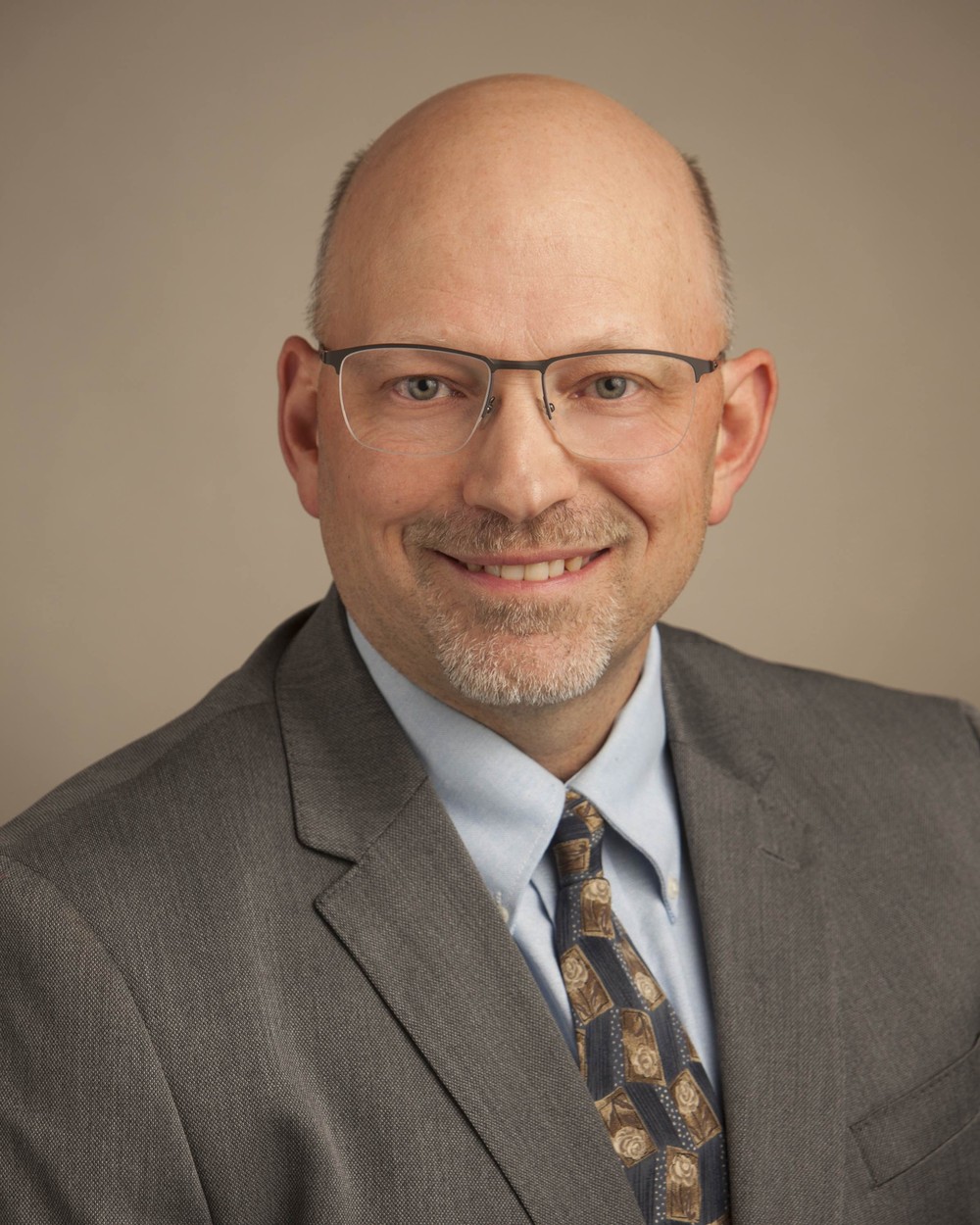 Rawlin
Fifty-five percent of graduates in Munson’s Family Medicine Residency Program continue to practice at a Munson Healthcare hospital, Rawlin says. More than 60% establish practices in northern Michigan.
There is some uncertainty about how medical education at Munson will play out in the future because of an upcoming major restructuring of MSU’s medical schools.
The university’s human medicine and osteopathic colleges will be merged into a single medical college as part of MSU’s “One Team, One Health” plan announced last year.
The initiative is designed to streamline administrative functions, and boost research and collaboration in human, animal and environmental health.
A final decision to merge the two medical colleges was announced in May, but is estimated to take about two years to fully implement. The merged college will continue to offer separate osteopathic and human medicine degrees.
“We’re all in the same boat, just waiting,” Rawlin said.
Dr. Susan Enright, associate dean of the MSU College of Osteopathic Medicine, says she expects the merged medical school will continue to educate third- and fourth-year medical students at Munson and the other base hospitals.
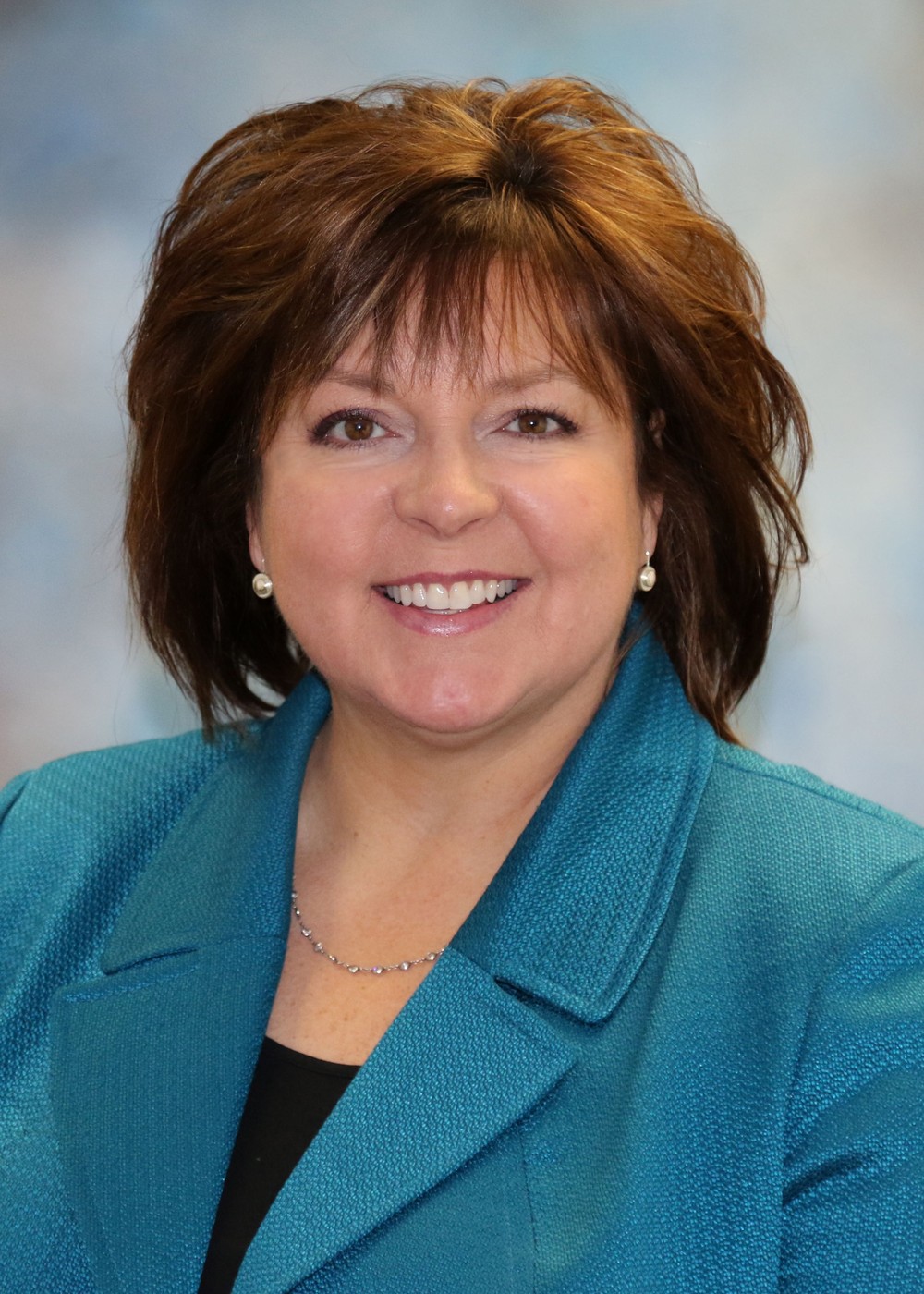 Enright
“We expect our long-standing relationship with Munson to continue,” said Enright, who oversees the program, which MSU calls a clerkship.
“Munson has been a very important piece of our clerkship training and the more rural type of training it offers,” she said. “They have an incredibly dedicated faculty teaching our students.”
Duncan says he’s greatly benefited from the faculty and other physicians he’s worked with at Munson and local physician practices.
Training at a smaller hospital has allowed him to work more closely with attending physicians on patient rotations than he would have experienced at a large, urban hospital, Duncan says.
"Most of the time we’re acting as residents,” he said. “It’s been a valuable experience.”
Duncan says he’s planning to do a residency in cardiology or electrophysiology, which will require him to leave northern Michigan. But he said he hopes to practice medicine here someday.
Rawlin said he often gets inquiries from other universities seeking to partner with Munson to train their medical students. But he expects to continue its exclusive relationship with MSU for the foreseeable future.
“A lot of people want to partner with us,” Rawlin said. “Get in line, man.”